
Table of Contents
- Understanding Amazon's New Piracy Blacklist And Why Your Firestick Apps Vanish
- Tweaked App Versions How Small Metadata Changes Bypass Firestick Blocks
- Finding Reliable Repositories Where To Safely Get Modified Streaming Apps
- The Ongoing Cat And Mouse Game What To Expect As Amazon Expands The Block System
- Q&A
- In Retrospect
Understanding Amazon's New Piracy Blacklist And Why Your Firestick Apps Vanish
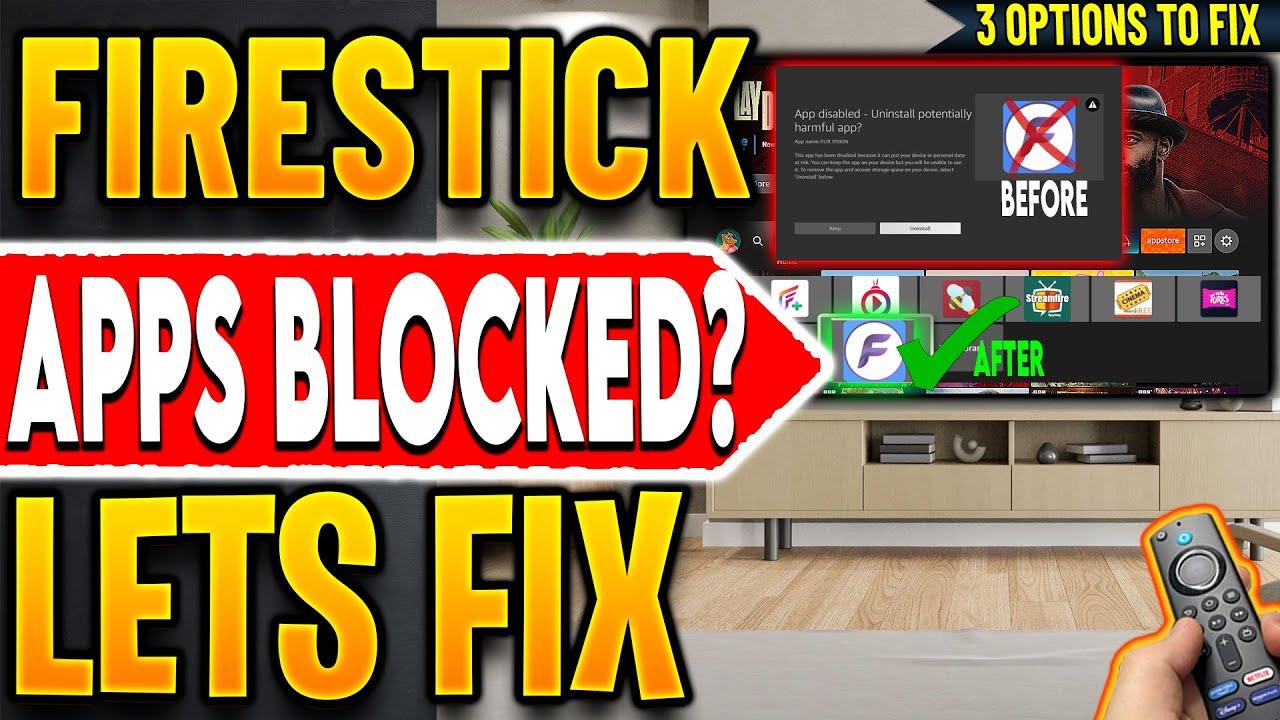
Amazon's new piracy blacklist is rapidly expanding, affecting a wide range of third-party streaming apps on Firestick devices. Applications that once worked seamlessly are now being automatically disabled shortly after installation. This is part of Amazon's effort to crack down on unauthorized streaming services, creating a dynamic "cat and mouse" game where developers modify app metadata to evade blocks. Understanding this process is crucial for users who still want access to their favorite content without constantly being cut off.
To navigate this evolving landscape, consider solutions that involve tweaking app metadata or using alternative versions.
- Edit App Metadata: By making minor changes to the app's code or identifiers, you can often bypass the blacklist detection.
- Use Modified Applications: Finding slightly tweaked versions of apps from trusted repositories can keep your streaming experience uninterrupted.
| Approach | Strategy | Chance of Success |
|---|---|---|
| Slight App Metadata Changes | Adjust identifiers slightly to avoid blacklist | High (with technical knowledge) |
| Alternative App Versions | Install modified APKs from trusted sources | Moderate |
Tweaked App Versions How Small Metadata Changes Bypass Firestick Blocks
When Firestick detects a blacklisted app, even a tiny change in the app's metadata can make a significant difference. By subtly editing elements like version numbers or package identifiers, savvy users craft tailored versions that slip past Amazon's strict blacklist filters. This process doesn't require re-engineering the entire app-just a precise tweak here and there to alter how the system perceives the application, effectively creating a "new" app that isn't caught in the blacklist. Think of it as giving your favorite app a digital disguise, allowing it to operate smoothly as if nothing has changed.
Here's a quick overview of the key metadata elements typically targeted for modifications:
| Component | Purpose |
|---|---|
| Version Number | Updates app iteration to bypass version-based filters |
| Package Name | Modifies the app's unique identifier for recognition |
| Build Signature | Alters app signature to appear as a different build |
Finding Reliable Repositories Where To Safely Get Modified Streaming Apps
Discovering Trustworthy Repositories for Modified Streaming Apps
Navigating the landscape of modified streaming apps requires a keen eye for trusted repositories that offer safe, reliable downloads. With the increasing blacklist and regional restrictions, savvy users turn to well-established sources that regularly update their libraries to bypass restrictions without compromising security. Key indicators of a reputable repo include transparent maintainers, active community feedback, and clear update histories. These repositories often host tweaked versions of popular apps, designed to avoid detection while maintaining functionality-crucial for uninterrupted streaming.
To effectively find such repositories, consider the following tips:
- Check community forums for user recommendations and reviews.
- Verify digital signatures and checksum data to ensure file integrity.
- Look for repositories with active moderation and regular updates, indicating ongoing support and security.
- Prioritize sources with detailed documentation explaining modifications and installation processes.
| Repository Name | Update Frequency | Safety Score |
|---|---|---|
| StreamSecure | Weekly | ⭐️⭐️⭐️⭐️ |
| AppHaven | Bi-weekly | ⭐️⭐️⭐️⭐️⭐️ |
| Modilab | Monthly | ⭐️⭐️⭐️⭐️ |
The Ongoing Cat And Mouse Game What To Expect As Amazon Expands The Block System
The ongoing battle between Amazon and third-party app providers highlights an unending game of cat and mouse. As Amazon tightens its grip with the Block System, more applications are getting added to the blacklist, especially across expanding regions. This evolving tech tug-of-war leaves users questioning whether piracy is truly dead or if clever workarounds still exist. The truth is, the battlefield is constantly shifting, with Amazon deploying aggressive updates and users persistently seeking loopholes, indicating that the struggle is far from over.
In this landscape, flexibility becomes your best weapon. Expect inventive solutions like subtly editing application metadata, finding tweaked app versions, or exploring alternative repositories. The dynamic between lockouts and workarounds is almost predictable-applications temporarily slip past blocks only to be re-blacklisted after adjustments. Here's a quick glance at what might come next:
| What To Expect | Possible Developer Response |
|---|---|
| More frequent app modifications | Quick patches and updates to evade blacklists |
| Enhanced metadata tweaking strategies | Automated tools to dynamically alter apps on the fly |
| Shift towards decentralized hosting | Sporadic repositories offering hidden app sources |
Q&A
Certainly! Here's a creative yet neutral Q&A for your blog post based on the discussed topics in the YouTube video titled "🔴Firestick Just Blocked Your Apps - Let's Fix It NOW !":
Q&A: Navigating Firestick App Blocks - Can You Bypass the Blacklist?
Q1: What's causing applications to become inaccessible on Firestick devices?
A: Recently, Amazon has been expanding its piracy block, which involves adding certain third-party streaming apps to a blacklist. When these apps are installed, they quickly get disabled or become unresponsive-effectively blocking users from accessing them.
Q2: Is this the end of third-party streaming apps on Firesticks?
A: Not necessarily. While Amazon's measures are significant, there are still some workarounds and solutions that can allow users to access their preferred applications, even when they're on the blacklist.
Q3: What's the first solution to re-enable blocked apps?
A: The initial fix involves editing the app's metadata-essentially making slight modifications to the app file. By using specialized applications, users can tweak the app, save the modified version, and reinstall it. This often helps prevent the app from matching the blacklist database, allowing it to function again.
Q4: Does modifying app files violate any rules?
A: Edits and modifications may fall into a legal gray area and could potentially breach terms of use or copyright laws. Users should exercise caution and understand the risks involved before proceeding with such methods.
Q5: Is this process difficult for someone unfamiliar with app modifications?
A: It requires some technical knowledge, but with the right tools and guides, determined users can learn how to make these tweaks. It's akin to a digital game of cat and mouse-finding slightly different versions that evade the blacklist.
Q6: Will Amazon or other developers block these modified applications?
A: Yes, there's an ongoing "cat and mouse" game. Even if one version is tweaked, developers may update their blacklists or implement new blocking measures, prompting users to further modify the apps.
Q7: Are there other options besides editing app files?
A: The video primarily discusses the modification workaround, but alternative solutions include sideloading apps from different repositories or using VPNs to access region-specific content-though these methods come with their own considerations.
Q8: Is there a long-term solution for watching content without interruptions?
A: Continuous modifications and updates are part of the ongoing workaround, but for a more permanent solution, users might consider official streaming services or legal alternatives to avoid the recurring hassle of app blocks.
This Q&A provides an insightful overview while maintaining a neutral and informative tone, perfect for your blog post!